Home / Equipment Finance
Equipment Finance
New or used plant, machinery and equipment for businesses of every structure — with the term set against how the asset actually earns.
Overview
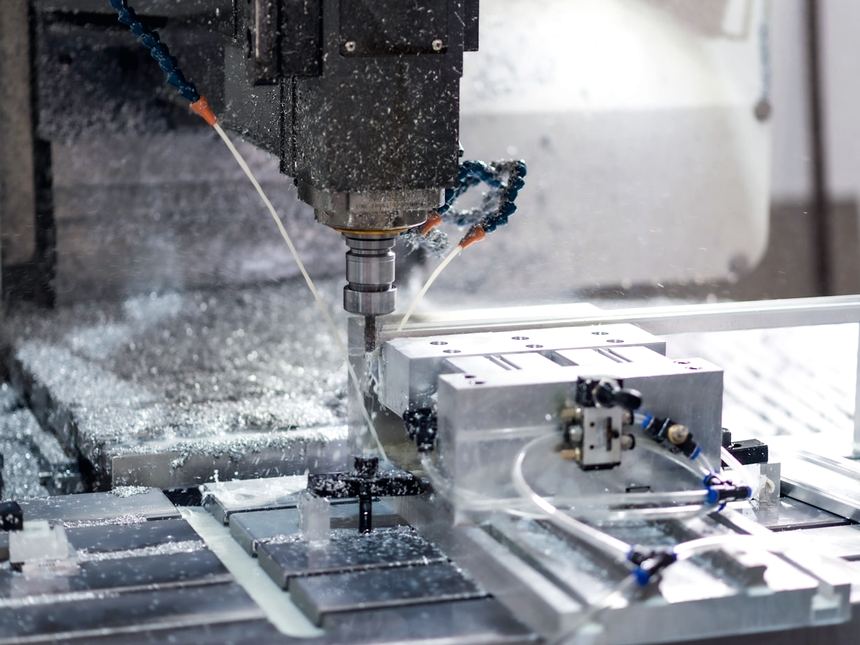
Equipment finance is the most structure-sensitive lending we arrange. The same machine, bought by two different entities, can attract very different terms.
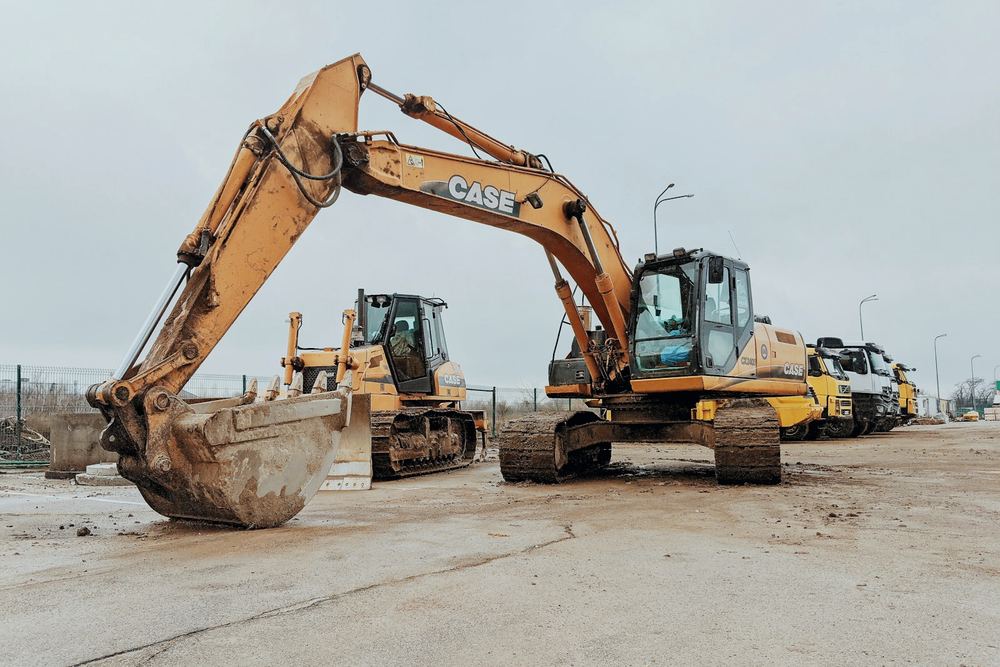
What matters is matching three things: the asset itself, the entity buying it, and the lender's appetite for that combination on the day. A late-model excavator bought by a five-year-old company is straightforward. A fifteen-year-old machine bought by a trust formed last year is not — but it is still fundable if it goes to the right lender with the right supporting information.
We work that out before anything is lodged, rather than testing lenders one at a time and collecting declines.
Scope
Age limits vary enormously across the panel. Some lenders stop at five years, others will fund machinery well past fifteen if the resale market is strong. This is one of the clearest cases where lender choice does more for you than negotiating on rate.
Structures
You own the asset from settlement and the lender registers security over it. Common for businesses registered for GST, and usually the default for plant and machinery.
A straightforward secured loan against the asset. Similar to a chattel mortgage in effect, with the product name varying by lender.
The financier owns the asset and you lease it for an agreed term, with an option at the end. Useful where you want the asset off your balance sheet.
Rental payments with ownership transferring at the end of the term. Often used for shorter-life equipment or where cash flow is tight early on.
Assessment
Timing
Lender appetite differs by asset type, age and seller. Knowing which lenders will fund a particular unit can change which unit you decide to buy.
It also avoids the worst version of this: a deposit already down, and finance that turns out to be harder than anyone expected.
Common questions
Yes, though fewer lenders will do it and the process is more involved. Expect a valuation or inspection, and confirmation that the seller owns the asset outright with no finance registered against it. We check the PPSR before anything progresses.
Not always. Low-doc options exist for established entities, typically with a trade-off in deposit or rate. If you have two years of financials and a clean ATO position, full-doc will usually get you a better outcome.
Often yes, where they are on the same invoice and form part of the commissioning cost. Lenders differ on how much soft cost they will include, so it is worth telling us the full picture up front rather than discovering it at settlement.
Next step
Tell us what you are looking to finance and we will come back to you with the options worth considering.